

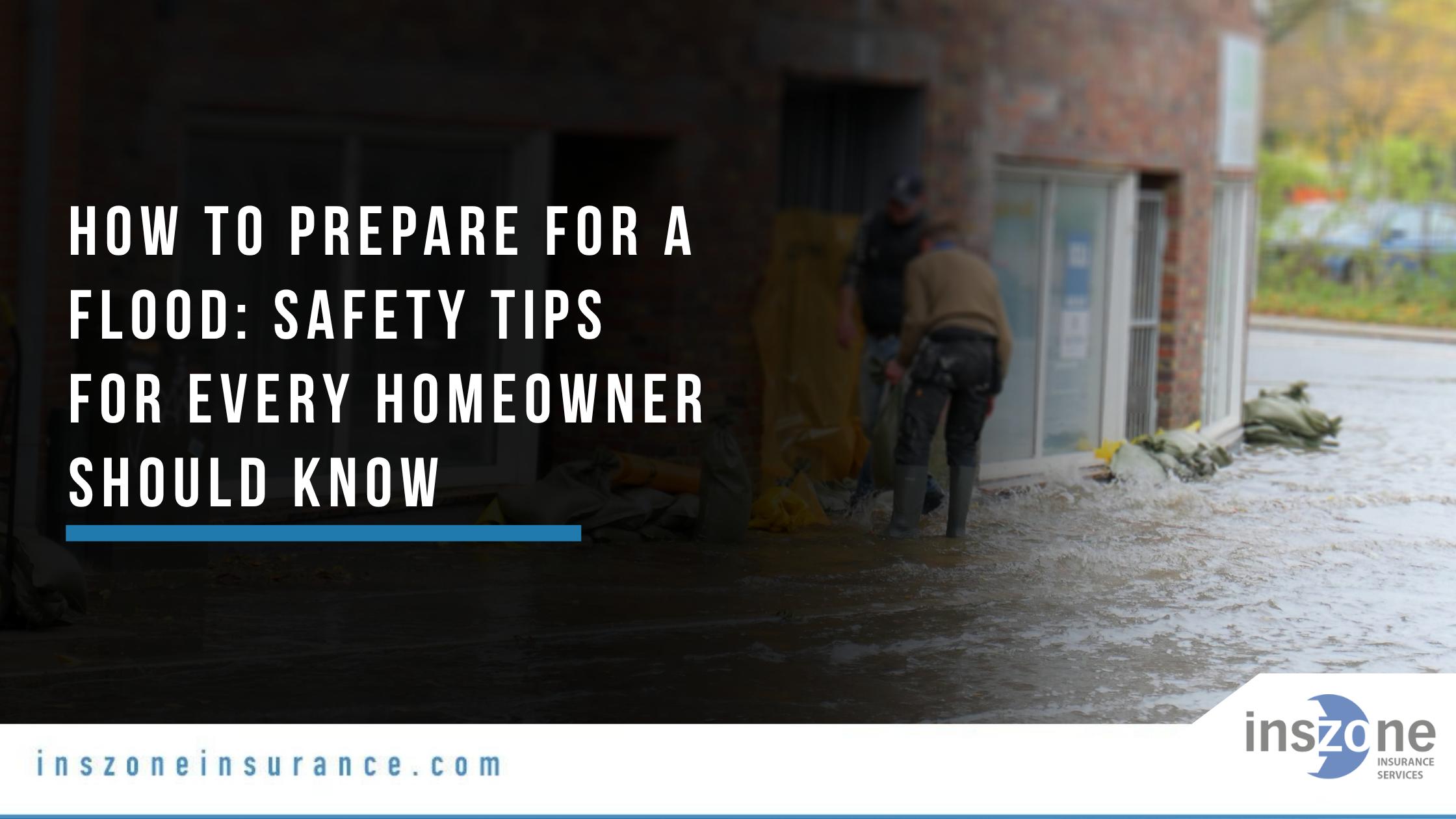
Sudden heavy rainfall can turn into a flash flood with almost no warning, and knowing how to prepare for a flood can be the difference between a stressful day and a life-threatening one. Beyond the immediate danger of rising water, floodwater often carries sewage, chemicals, and bacteria, raising the risk of waterborne illness on top of the physical danger. These flood safety tips cover how to prepare for a flood before, during, and after it hits, and what your insurance covers when the water recedes.
Key Points
- Flash floods are among the leading causes of weather-related deaths in the U.S. — just six inches of moving water can knock you off your feet, and one foot can sweep away a small vehicle, according to the National Weather Service.
- “Turn Around, Don’t Drown®” is the single most important flood survival tip: never walk, swim, or drive through floodwaters, even if they look shallow.
- A standard homeowners policy does not cover flood damage — flood insurance is a separate policy, and NFIP coverage takes 30 days to go into effect, so waiting until a storm is forecast is too late.
- If your car is caught in rising water, get out and move to higher ground immediately rather than staying with the vehicle.
- Filing a flood claim starts with reporting the loss right away and documenting everything with photos before cleanup begins.
How to Prepare for a Flood Before It Hits
These flood preparedness tips may be useful when a real flood hits. Most of the work happens well before the water rises.
Build an Emergency Kit
Keep at least three days of supplies ready for everyone in the household: water, non-perishable food, a flashlight, a battery-powered or hand-crank radio, phone chargers, batteries, a first aid kit, medications, a multi-purpose tool, sanitation and personal hygiene items, and copies of important documents. Keep vaccination records handy or at least know the date of your last tetanus shot, in case of injury or exposure to contaminated water.
Know Your Flood Zone and Evacuation Route
Check whether your home sits in a flood zone using FEMA’s Flood Map Service Center, and sign up for alerts from the National Weather Service or FEMA so you get advance warning. Know the difference between a flood watch (conditions are favorable for flooding) and a flood warning (flooding is imminent or occurring) and plan your evacuation route before you need it — not while water is already rising.
Protect Your Home with Sandbags and Flood Barriers
Sandbags placed at doorways and low points can redirect small amounts of water away from entry points, and flood barriers or door dams offer similar protection for homes in lower-risk areas expecting moderate water. Clear your gutters and drainage systems of debris well before storm season. A clogged drain can turn manageable rainfall into standing water around your foundation.
What to Do During a Flash Flood
Once a flood is underway, these flood survival tips shift priority from preparation to immediate action.
When to Evacuate Immediately
If there is any possibility of a flash flood, move to higher ground immediately — do not wait for an official evacuation order. Listen to local radio, TV, or emergency alerts and follow instructions from local authorities. If you do evacuate, turn off utilities at the main power switch and close the main gas valve before you leave.
What to do when Flood Waters are Inside Your Home
If you’re unable to evacuate and water is rising around your home, move to the highest level available. Avoid closed attics without an exit route, since rising water can trap you there. Stay away from electrical equipment if you are wet or standing in water, and avoid contact with floodwater itself whenever possible, since it can carry sewage, chemicals, and bacteria.
What to Do If Your Car Is Caught in Rising Water
Never drive through a flooded road. According to Ready.gov, just six inches of moving water can knock an adult off their feet, and as little as 12 inches can carry away a small car. If your car is caught in rising water and the water is not moving, abandon the vehicle and move to higher ground immediately — do not wait inside. If the water is moving rapidly around a stalled car, stay inside and move to the roof if water continues to rise, and call for help as soon as it’s safe to do so. Do not drive around barricades; they’re placed specifically to keep people out of dangerous water.
- Do not walk, swim, or drive through floodwaters. Turn around, don’t drown.
- Stay away from bridges over fast-moving water — they can collapse without warning.
- Avoid fallen power lines, poles, and wires.
- Watch for falling trees and debris that can cause injury or additional damage.
Source: Ready.gov / National Weather Service, “Floods” (ready.gov/floods). Flood conditions vary; always follow local emergency officials’ specific instructions.
What to Do After a Flood — Before You Go Back Inside
If you evacuated, wait for officials to confirm it’s safe before returning home. Check for structural damage before entering, and if you suspect damage to water, gas, electric, or sewer lines, contact the appropriate authorities before proceeding. Use flashlights or battery-powered lanterns rather than candles to avoid fire risk.
Clean and disinfect everything that got wet, since floodwater can carry sewage, bacteria, and other contaminants. Wear protective gloves and boots during cleanup, and avoid contact with floodwater whenever possible. Throw away any food that touched floodwater or lost refrigeration, stick to sealed bottled water until your municipal supply is confirmed safe, and discard porous or absorbent items — carpet, upholstery, and similar materials — that can’t be fully disinfected. Monitor your health afterward and seek medical attention if you experience fever, headache, nausea, vomiting, diarrhea, or a wound infection.
Does Your Insurance Cover Flood Damage?
No — a standard homeowners policy excludes flood damage entirely, which surprises many homeowners who discover the gap only after water has already entered their home. Flood insurance is a separate policy, and if you buy one through the National Flood Insurance Program (NFIP), it carries a mandatory 30-day waiting period before coverage takes effect. Waiting until a storm is in the forecast is too late — by the time you need the policy, it won’t have kicked in yet.
For a full breakdown of what a flood policy actually covers, how much it costs, and how Risk Rating 2.0 affects your premium, see our complete guide to flood insurance.
How to File a Flood Insurance Claim
If your home floods and you have a policy in place, FEMA’s National Flood Insurance Program outlines a clear process for getting your claim moving.
- Report the loss immediately. Contact your insurance agent or company as soon as it’s safe to do so — your policy requires prompt written notice, and an adjuster typically contacts you within 24 to 48 hours.
- Document everything before cleanup. Take photos and videos of the damage, including floodwater lines inside and outside the structure, and record the make, model, and serial number of damaged appliances and electronics.
- Keep damaged samples, but discard health hazards. Hold onto samples of ruined carpet, flooring, or curtains to show your adjuster, but throw out anything that poses a mold or health risk once it’s documented.
- Verify your adjuster’s identity. Ask to see their Flood Control Number (FCN) card and photo ID before letting them inspect your property — a legitimate NFIP adjuster will never ask for payment or your deductible up front.
- Review the estimate carefully. Once you receive the adjuster’s written report, check it for accuracy and completeness before your claim payment is finalized.
Source: FEMA / FloodSmart.gov, “How to Start a Flood Insurance Claim” (floodsmart.gov/recover/start-a-claim).
Make Sure You’re Covered Before the Next Storm — Talk to Inszone
Flood survival starts with preparation, and financial recovery starts with the right policy in place well before a storm is on the radar. Inszone Insurance can help you understand your flood risk and get a policy in place with enough lead time to actually be active when you need it.
Don’t wait for the 30-day window to work against you. Talk to an Inszone flood insurance specialist today.
Frequently Asked Questions About Flood Survival
How do you prepare for flood waters when trapped at home?
Move to the highest level of your home, avoiding closed attics without an exit route. Stay away from electrical equipment if you’re wet or standing in water, and avoid contact with the floodwater itself when possible, since it can carry sewage and bacteria. Signal for help from a window or roof if you become trapped.
What flood safety tips are most important for families?
Build a three-day emergency kit for every household member, know your evacuation route in advance, and agree on a family meeting point in case you’re separated. “Turn Around, Don’t Drown” applies to everyone in the family — never let children or anyone else walk or play near moving floodwater.
How can I get flood insurance before storm season?
Purchase a policy well ahead of storm season, since NFIP policies carry a mandatory 30-day waiting period before coverage begins. Comparing quotes from multiple providers and confirming your flood zone status early can also help you find the most cost-effective option before rates firm up seasonally.
What does a flood insurance coverage guide typically include?
A complete flood insurance guide covers what’s included (structure and contents coverage), what’s excluded (like temporary housing costs, which NFIP policies don’t cover), typical costs by flood zone, and the claims process. See our full flood insurance guide for a detailed breakdown.