
Key Points
- Halloween increases foot-traffic and decoration-related risks for businesses, including trip hazards, fire hazards, and liability from customer or trick-or-treater injuries.
- Standard general liability insurance typically covers slip-and-fall accidents on your premises, but decorations or events outside normal operations may need additional coverage.
- If your business hosts a party where alcohol is served, host liquor liability — often included in general liability — may apply, but standalone liquor liability is required if you sell alcohol (IRMI).
- Haunted house attractions carry higher liability exposure than typical seasonal decorating and often need special event insurance in addition to standard business coverage.
- OSHA limits temporary decorative wiring installations, including Halloween lighting, to 90 days under 29 CFR 1910.305.
What Can Business Owners Do to Keep Walkways Safe?
Ensuring clear and safe walkways is essential for preventing trips and falls. During Halloween, decorations, props, and crowds can make navigation tricky.- Keep pathways clear: Remove clutter, decorations, or loose wires along walkways.
- Use adequate lighting: Increase outdoor lighting, especially in parking areas and entrances, to improve visibility.
- Plan for weather hazards: In case of rain or wet conditions, use non-slip mats and ensure proper drainage to avoid puddles.
Where Are Fire Hazards Most Likely to Occur?
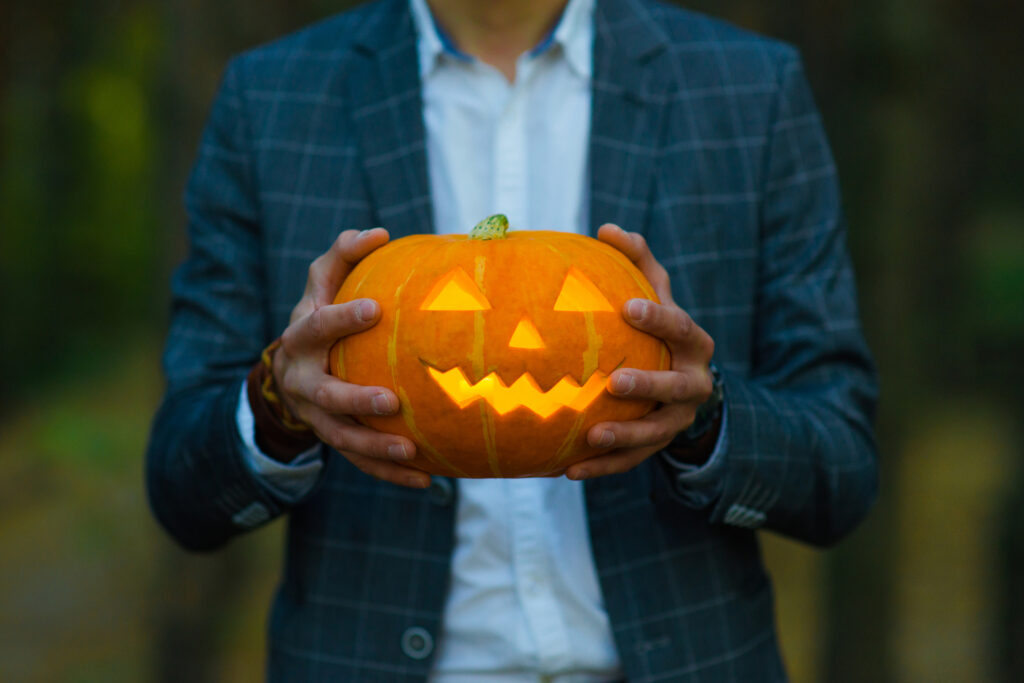
Decorative elements like candles, fog machines, and electronic displays can pose fire risks if not properly managed.- Avoid open flames: Use LED lights for jack-o-lanterns and other displays instead of candles.
- Check fire regulations: Ensure fog machines and electrical equipment meet safety codes.
- Keep fire extinguishers accessible: Make sure all staff know where extinguishers are and how to use them.
Why Is Costume Safety Important in the Workplace?
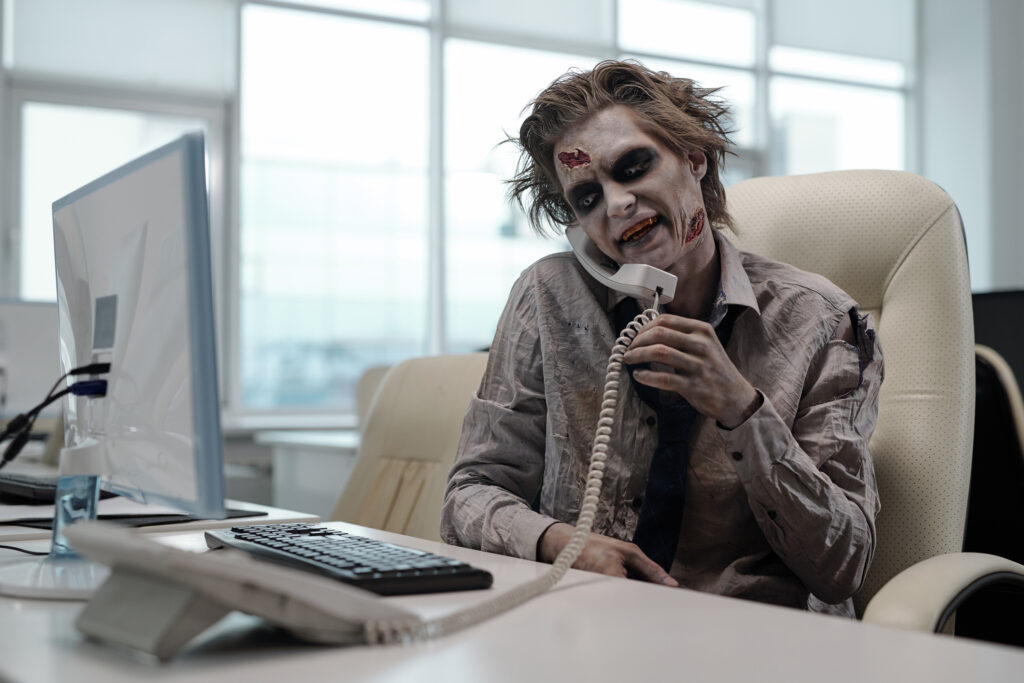
Costumes are a fun way to engage employees and customers, but poorly chosen outfits can create safety issues.- Monitor costumes for safety: Avoid costumes with masks that limit vision or long outfits that could cause trips.
- Enforce a prop policy: Discourage sharp or heavy props that could harm others.
- Follow workplace guidelines: Ensure costumes don’t interfere with machinery or safety procedures.
Do You Need Special Event Insurance for a Halloween Event?
Typical in-store decorating and increased foot traffic are usually covered by your existing general liability policy. But if you’re hosting a standalone event — a ticketed party, a festival booth, or a haunted house attraction — you may need special event insurance layered on top. Special event insurance can cover liability specific to the event, and in some cases event cancellation, for the dates of the event only. Read more: Guide to Special Events Insurance in CaliforniaWhat About Serving Alcohol at a Halloween Party?
If your business occasionally serves alcohol at an event but doesn’t sell it as part of normal operations, host liquor liability coverage — often built into a general liability policy — may respond to alcohol-related claims (IRMI). If you sell alcohol as part of your business, you’ll need standalone liquor liability insurance instead; host liquor liability doesn’t extend to businesses that profit from alcohol sales.Insurance Considerations for Haunted House Attractions
Haunted house attractions carry meaningfully higher liability exposure than standard seasonal decorating — dark environments, actors, props, and startled guests all raise the odds of a fall or injury claim. Operators typically need general liability insurance sized for that higher risk, plus special event insurance if the attraction is temporary or seasonal rather than a year-round operation.Who Needs to Review Insurance Policies Before Halloween?
All business owners should review their insurance coverage before the holiday to ensure they’re protected from seasonal risks.- Assess your liability coverage: Verify that your general liability insurance covers accidents involving visitors or trick-or-treaters.
- Check property insurance: Make sure decorations or events won’t void coverage.
- Consult your insurer: Contact your agent for a policy review or adjustments tailored to Halloween events.
Decoration Hazards
How Can Business Owners Minimize Risks with Decorations?
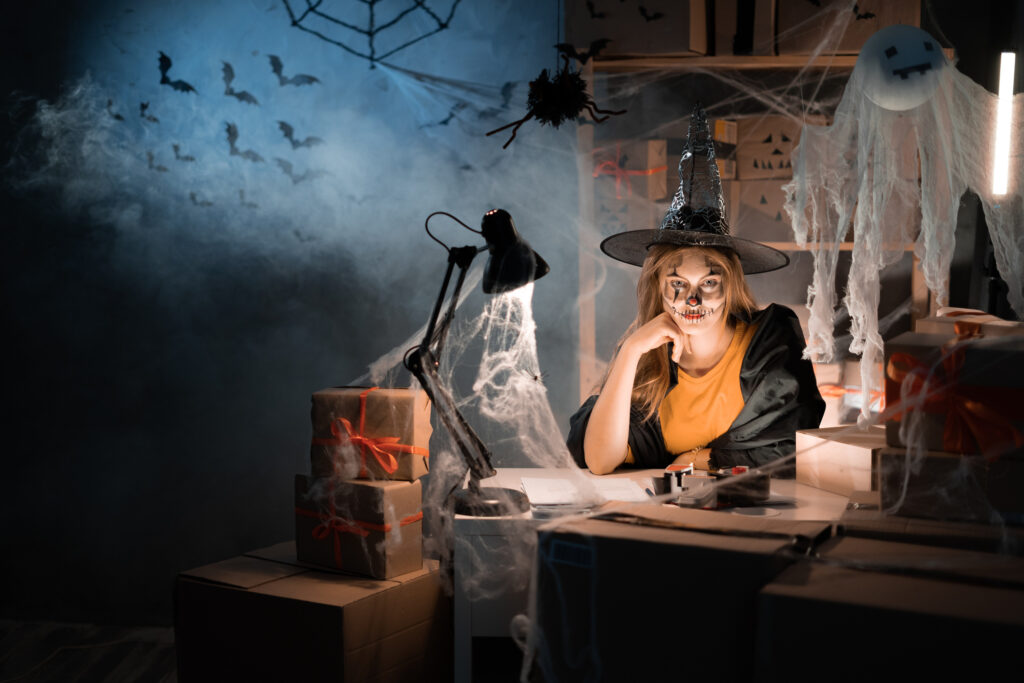
Decorations are great for setting the Halloween mood, but they can also introduce hazards if not managed properly.- Secure decorations: Fasten items to walls or stable surfaces to prevent falls.
- Avoid obstructing exits: Ensure decorations do not block emergency exits or fire escapes.
- Use proper wiring: Avoid overloading outlets and use surge protectors to prevent electrical fires.