


Operating a food business—whether it’s a restaurant, café, catering service, or food truck—comes with unique risks and challenges. Between managing kitchen staff, serving guests, and keeping operations running smoothly, a single incident like a kitchen fire or contaminated food can threaten everything you’ve built.
From foodborne illnesses to equipment breakdowns, having comprehensive insurance coverage is critical to protect your investment, employees, and customers.
Common Risks in the Culinary Industry
The dynamic and fast-paced nature of the food industry creates multiple potential risks, including:
Customer Injuries
Accidents such as slips, falls, or burns can occur on your premises, potentially leading to costly liability claims.
Foodborne Illnesses
Contaminated or improperly handled food can result in severe health issues for customers and expose your business to legal liabilities.
Property Damage
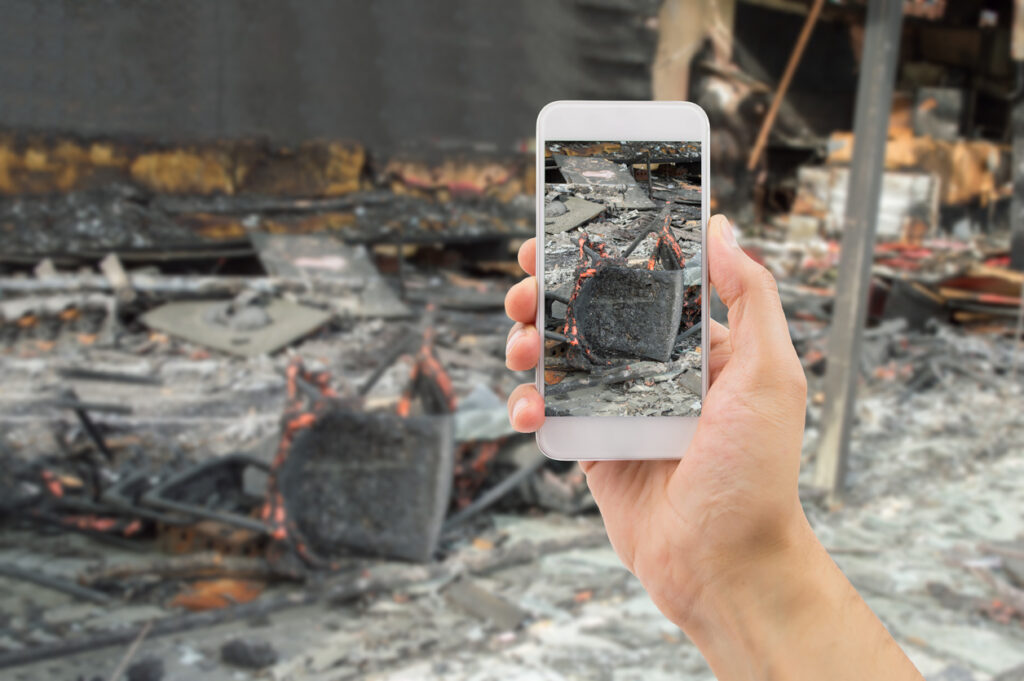
Fire, theft, equipment malfunctions, vandalism, and natural disasters can significantly damage your physical assets.
Employee Injuries
Kitchen environments pose safety hazards, and accidents such as cuts, burns, or slips can lead to workers’ compensation claims.
Discover: common insurance claims in the food industry
Key Insurance Coverages for Restaurants and Food Services
To effectively manage these specific culinary risks, consider the following essential insurance policies:
1. General Liability Insurance
General liability coverage protects your business against third-party bodily injury claims and property damage. For instance, if a customer slips and falls on your premises, this policy can cover medical costs, legal fees, and settlements.
2. Commercial Property & Equipment Breakdown
Commercial property insurance pays for repairs or replacement when your building, kitchen equipment, furniture, or inventory is damaged by theft, vandalism, fire, weather, or mechanical breakdown. This policy provides the financial protection needed to help you quickly recover and resume operations.
3. Food Contamination Coverage
A highly specific need for the culinary industry, food contamination coverage reimburses costs related to spoiled food, health testing, or even public relations efforts after a contamination incident.
Learn: food handler requirements by state
4. Business Interruption Insurance
Often included in a Business Owner’s Policy (BOP), business interruption reimburses lost income if your restaurant must temporarily close due to covered events like a severe fire or weather. It compensates you for lost revenue and may also cover disruptions caused by supply chain issues.
5. Workers’ Compensation Insurance
Workers’ compensation coverage is mandatory in most states and protects both your staff and your business. It provides benefits such as medical expenses, rehabilitation costs, and lost wages if an employee is injured on the job, such as suffering a burn or cut in the kitchen.
6. Commercial Auto Insurance
If your food business uses vehicles for deliveries, catering, or mobile food truck operations, commercial auto insurance is critical. It protects you financially in the event of vehicle-related accidents, covering repairs, medical bills, and property damage.
7. Cyber Liability & EPLI
With the increasing use of digital payments and online reservations, cyber liability insurance helps cover costs from data breaches, stolen customer information, or ransomware attacks. Additionally, Employment Practices Liability Insurance (EPLI) helps cover lawsuits from employees over issues like discrimination or wrongful termination.
Read: the comprehensive restaurant insurance guide
Customize Coverage to Your Kitchen’s Needs
Every restaurant has unique exposures, and no two insurance programs are the same. By reviewing your operations and consulting with an experienced insurance provider, you can tailor a policy precisely suited to your culinary business.
At Inszone Insurance, our team will review your current policies, explain potential gaps, and recommend a customized package designed to provide the most robust protection at competitive rates.
Get a quote for your new customized restaurant insurance coverage. You can also contact us today at (877) 308-9663 or through our contact form to discuss your insurance needs.

Corey Elsasser

